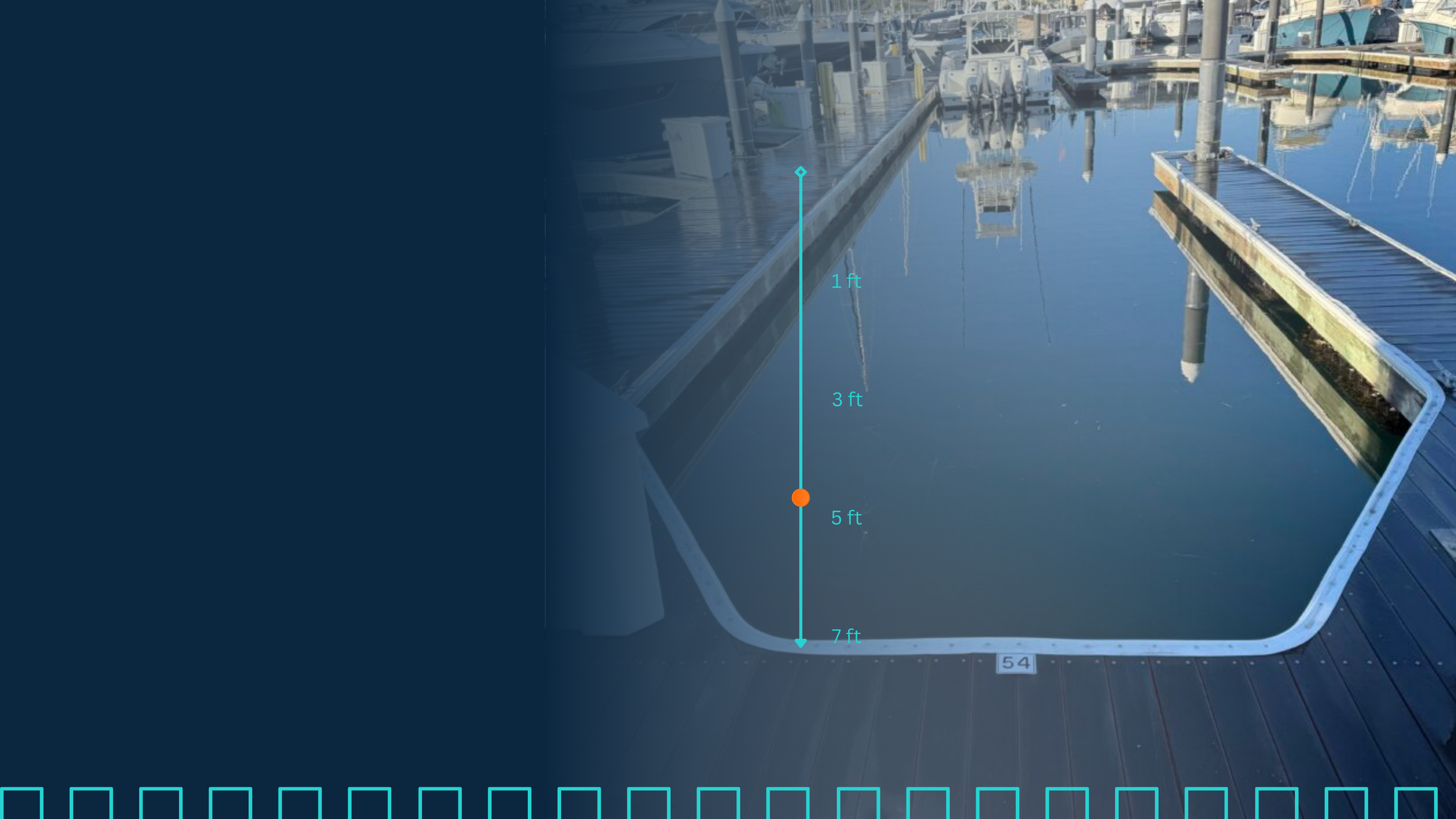
dock dredging
// in south florida
Restore Your Depth. Protect Your Access. Enjoy Your Waterfront.
Your dock should provide dependable access to the water—not leave your boat sitting in mud, touching bottom, or waiting for the tide.
Eastern Dredging provides professional residential and commercial dock dredging throughout Miami-Dade, Broward, and Palm Beach County. With more than 20 years of South Florida experience, advanced subsurface technology, and professional-grade equipment, we remove accumulated sand, silt, organic material, and debris with precision.
Our site-specific approach is designed to restore consistent, usable water depth while working carefully around your boat, dock, pilings, seawall, neighboring property, and surrounding waterway.
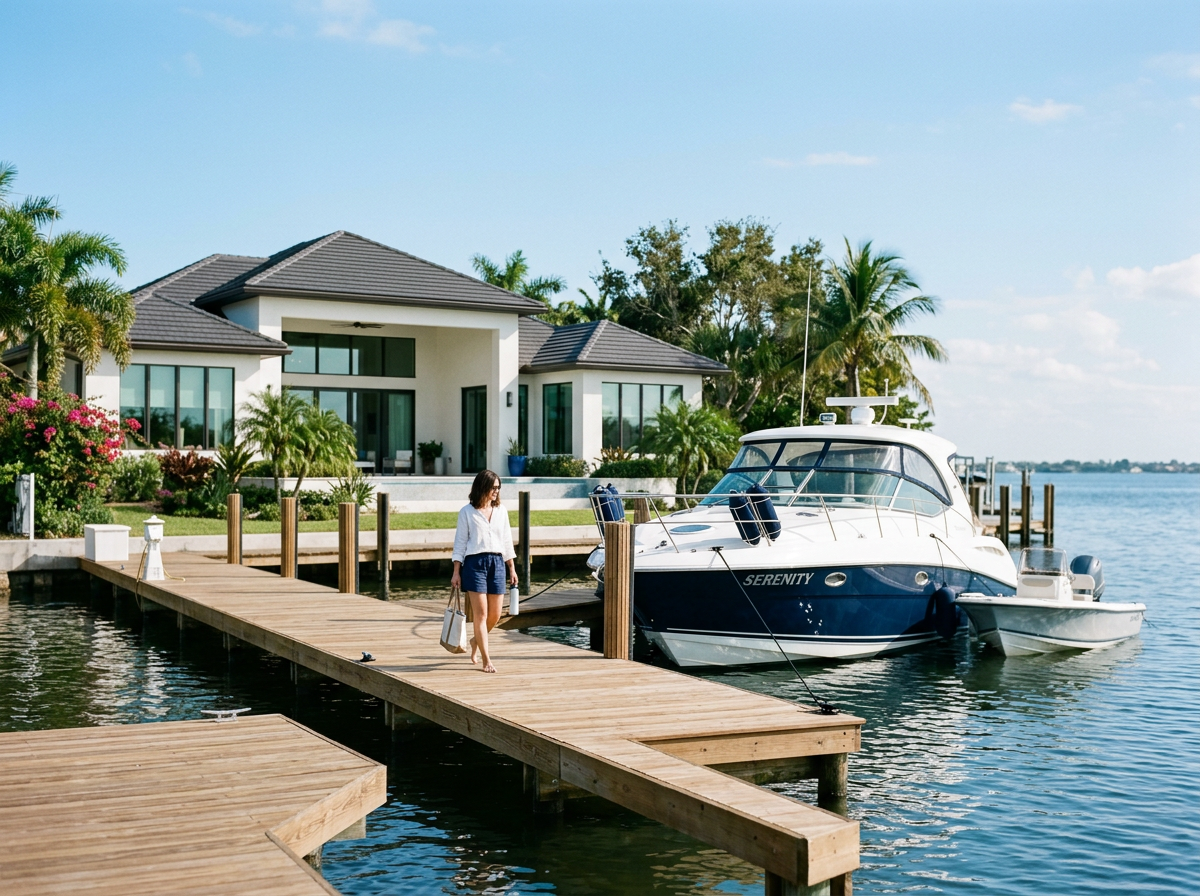
A Dock Is Only as Accessible as the Water Around It
South Florida waterways are constantly changing. Tides, currents, storms, runoff, vessel traffic, and natural sediment movement can gradually reduce water depth around a dock or boat slip.
The buildup often happens slowly. At first, access may become difficult only during an unusually low tide. Over time, the problem can interfere with daily use, limit the vessels the property can accommodate, and increase the risk of bottom contact.
You may need dock dredging if:
Your boat touches or drags along the bottom
The slip is difficult to enter or exit at low tide
The propeller, lower unit, keel, or hull is contacting sediment
Water near the dock is noticeably shallower than the access channel
The vessel must approach at an awkward angle
Mud, sand, vegetation, or debris is visible in the slip
One side of the dock is significantly shallower than the other
The dock previously had adequate depth but has become increasingly difficult to use
You are considering a larger or deeper-draft vessel
Sediment buildup is limiting the usable area around the property
Eastern Dredging evaluates the complete work area and develops a practical solution based on the dock, vessel, desired access, sediment conditions, and authorized dredging depth.
20+ Years Serving South Florida | Precision Dock Dredging | Sub-Bottom Profiling Technology | Environmentally Responsible Methods
What Professional Dock Dredging Can Accomplish
Dock dredging is more than removing mud from beneath a boat. A properly planned project is intended to restore functionality across the area your vessel actually uses.
Professional dock dredging can help:
Restore practical water depth around the dock
Improve vessel access during lower-water conditions
Reduce the risk of the hull, keel, propeller, or lower unit touching bottom
Create a smoother approach into and out of the slip
Improve maneuvering space near the dock
Remove accumulated sediment and underwater debris
Eliminate isolated shallow spots within the authorized work area
Create more consistent depth along the dock face or within the slip
Improve access to a boat lift when included in the approved scope
Support use by a different vessel when site conditions and permits allow
Restore the usefulness and enjoyment of waterfront property
The objective is not simply to create one deep pocket near the boat. It is to establish balanced, functional depth across the approved area while accounting for the vessel’s route, the dock configuration, neighboring structures, and subsurface conditions.
Better Dock Dredging Begins With Better Information
The water’s surface does not reveal everything that matters below it.
Changing sediment thickness, compacted material, old construction debris, buried objects, utilities, and harder underlying surfaces can all affect the safest and most effective way to dredge around a dock.
Eastern Dredging combines careful site assessment with advanced subsurface technology to better understand the work area before removal begins.
Our Sub-Bottom Profiler Looks Beneath the Waterway Floor
Eastern Dredging uses a sub-bottom profiler—an advanced acoustic system that works like a high-technology echo sounder.
Instead of measuring only the visible bottom, the profiler sends sound energy into the waterway floor and analyzes the returning signals. Depending on site and sediment conditions, this information can help reveal:
Existing bottom elevations
Sediment depth and subsurface layers
Changes between soft sediment and harder underlying material
Bedrock or other resistant layers
Large buried objects and potential obstructions
Areas requiring additional caution near pilings and seawalls
More appropriate and consistent target dredging depths
Sub-bottom profiling helps our operators understand where removable sediment ends and harder underlying material begins. It can also help identify conditions that may not be visible from the surface.
For the property owner, that means a more informed project plan, greater control around valuable waterfront improvements, and less risk of unnecessary over-dredging.
Precision Removal Around Docks and Waterfront Structures
Dredging around an existing dock requires control. Equipment may be working near pilings, seawalls, utilities, boat lifts, vessels, neighboring docks, landscaping, and structures that must be considered throughout the project.
Eastern Dredging selects equipment and methods based on the specific property. Our approach is designed to:
Target sediment within the authorized work area
Maintain control around pilings, seawalls, and nearby improvements
Avoid unnecessarily disturbing a larger section of the bottom
Produce more consistent depth throughout the slip or dock area
Reduce missed shallow spots
Limit repeated or corrective dredging
Complete the work efficiently and professionally
Modern technology gives us better information. More than 20 years of South Florida experience helps us interpret that information and put it to work.
Planning Around Your Dock, Pilings, Seawall, and Vessel
Every waterfront property is different. A narrow residential canal requires a different approach from an open Intracoastal property. A fixed dock presents different conditions from a floating dock, marina slip, or commercial waterfront.
Before developing a dock dredging plan, Eastern Dredging considers:
Dock type, size, and configuration
Piling locations and apparent conditions
Seawall proximity and visible condition
Boat lift position and operating range
Vessel length, beam, and draft
Existing and desired water depth
Approach path and maneuvering area
Tides and water movement
Equipment access from land and water
Neighboring docks and waterfront property
Utilities, pipes, cables, and visible obstructions
Buried objects or harder subsurface material
Sediment type and estimated volume
Material-removal and handling requirements
Applicable permits and project restrictions
This planning helps us recommend a solution that restores access without treating the dock, seawall, vessel, and surrounding property as afterthoughts.
Where conditions indicate possible structural concerns, additional evaluation by an appropriate marine contractor, engineer, or other qualified professional may be recommended before dredging begins.
//Dock Dredging Solutions
for South Florida Waterfront Properties
Eastern Dredging works with:
Residential Waterfront Homes
Restore access around a private dock, boat slip, or waterfront property so you can use your vessel more reliably.
Fixed and Floating Docks
We evaluate the specific dock configuration, pilings, seawall, access, and vessel requirements before recommending a dredging approach.
Docks With Boat Lifts
When sediment affects both the dock and lift, the authorized scope can address approach depth, the slip area, and clearance beneath and around the lift.
HOA and Condominium Docks
We help associations and property managers evaluate shared docks, community slips, navigational areas, and recurring sediment problems.
Marina and Multi-Slip Properties
Eastern Dredging can address an individual problem slip or help develop a broader plan for multiple dock areas, fairways, and marina access.
Commercial Waterfront Properties
We provide organized, site-specific solutions for working waterfronts where access, scheduling, coordination, and professional execution matter.
// Environmentally Responsible Dock Dredging
South Florida’s waterways are essential to the region’s environment, economy, and quality of life. Restoring access should not mean disturbing more of the waterway than the project reasonably requires.
Eastern Dredging incorporates environmental responsibility into the assessment, equipment, operating fluids, water-management process, and sediment-handling plan.
Targeted Sediment Removal
More removal is not automatically better. Sub-bottom profiling, depth assessment, and controlled equipment help us focus on the areas requiring dredging rather than unnecessarily excavating a broader portion of the bottom.
Consistent Target Depths
Accurate, balanced target depths help limit avoidable excavation and reduce the need to return for preventable corrective work.
Reduced Unnecessary Disturbance
Careful equipment selection and experienced operation help limit excessive sediment movement, equipment activity, and disruption near the property.
Ashless Anti-Wear Hydraulic Oils
Eastern Dredging uses ashless anti-wear hydraulic oils formulated without zinc and other metal-containing additive packages commonly found in conventional hydraulic fluids.
These fluids provide the lubrication and wear protection required by professional dredging equipment while offering an additional safeguard for work performed in environmentally sensitive areas. Avoiding zinc-containing additives helps reduce the potential aquatic toxicity associated with conventional hydraulic fluids if an incidental leak occurs.
No hydraulic fluid should be released into the water. Ashless fluid is an additional layer of protection that complements proper equipment maintenance, spill prevention, and responsible operating procedures.
Clean-Water Returns
Hydraulic dredging uses water to transport removed sediment. Our clean-water return process is designed to separate dredged solids from process water before clarified water is returned to the work area.
This approach helps reduce unnecessary sediment recirculation, limits the amount of water requiring transportation or off-site management, and supports a cleaner, more controlled operation.
Responsible Sediment Management
Removed material is handled according to the approved project plan, permit conditions, site requirements, and applicable standards. The goal is to remove unwanted sediment from the affected area—not merely relocate it elsewhere in the waterway.
Environmentally responsible dock dredging is not a separate service or marketing label. It is the result of better information, appropriate equipment, precise removal, cleaner operating practices, and disciplined material management.
// PROCESS: How Eastern Dredging Handles a Dock Dredging Project
1. Initial Consultation
Tell us about the property, dock, vessel, and access issue. Useful information includes the project address, vessel dimensions and draft, estimated water depth, tidal conditions, photos, and any existing surveys or permits.
2. Site Assessment
Our team evaluates the dock area, water depth, sediment buildup, approach path, surrounding structures, equipment access, and environmental considerations.
3. Subsurface Evaluation
When appropriate, our sub-bottom profiler helps identify sediment layers, harder underlying material, potential bedrock, large buried objects, and consistent target depths.
4. Site-Specific Dredging Plan
We recommend an approach based on how the dock is used and what the approved area needs. The proposed scope identifies the work area, anticipated equipment, target depth, material-management plan, and relevant preparation requirements.
5. Permitting and Project Preparation
Many dredging projects require permits, authorizations, or other approvals. Requirements depend on the waterway, jurisdiction, location, proposed depth, and project size. Responsibilities and project conditions are identified before work begins.
6. Precision Dock Dredging
Our experienced operators remove sediment within the authorized area while maintaining careful control around the dock, pilings, seawall, vessel, lift, neighboring property, and surrounding waterway.
7. Cleanup and Completion Review
We conclude operations, address removed material according to the project plan, organize the work area, and review completion of the authorized scope.
// Why Waterfront Property Owners Choose Eastern Dredging
More Than 20 Years of South Florida Experience
We understand the tides, sediment movement, storms, confined canals, Intracoastal conditions, marina activity, and waterfront construction found throughout the region.
Advanced Sub-Bottom Profiling
Our acoustic technology helps us examine sediment and subsurface conditions before removal begins.
Professional-Grade Equipment
We select equipment and operating methods for the actual property—not a generic solution applied to every dock.
Precision Near Waterfront Improvements
Our team plans around docks, pilings, seawalls, lifts, vessels, utilities, landscaping, and neighboring structures.
Environmentally Responsible Practices
Targeted removal, ashless hydraulic oils, clean-water returns, and responsible sediment management help limit unnecessary environmental impact.
Clear, Professional Communication
We explain the proposed work, process, responsibilities, and expectations so the property owner can make an informed decision.
Consistent, Usable Depth
Our objective is dependable access throughout the authorized area—not an uneven or incomplete result.
Dock Dredging Throughout South Florida
Eastern Dredging provides residential, community, marina, and commercial dock dredging throughout:
Miami-Dade County
Broward County
Palm Beach County
Miami and surrounding waterfront communities
Fort Lauderdale and surrounding waterfront communities
Pompano Beach, Deerfield Beach, and nearby waterfront areas
Boca Raton, Delray Beach, and Boynton Beach
West Palm Beach, Palm Beach Gardens, and Jupiter
Service availability depends on location, site access, project scope, permit requirements, and scheduling. Contact Eastern Dredging with the property address to confirm service in your area.